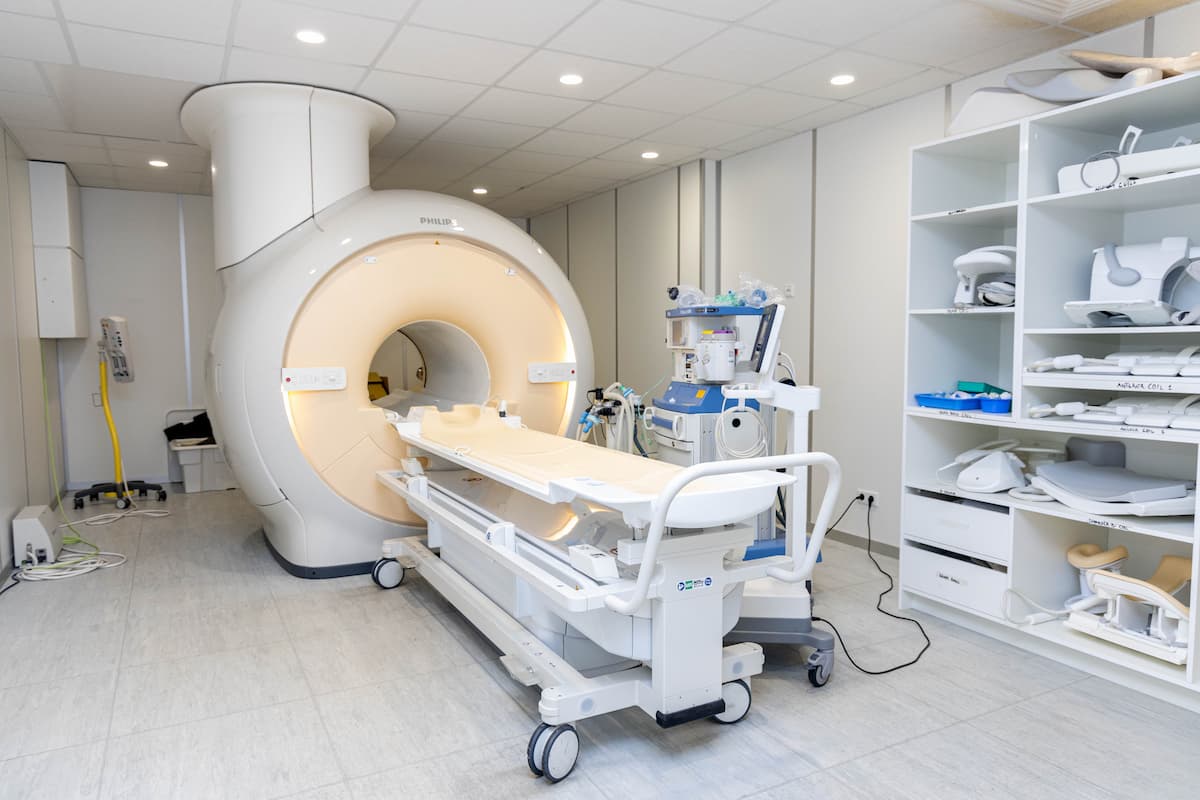
Magnetic Resonance Imaging (MRI)
BackMagnetic Resonance Imaging (MRI) at the University of Ghana Medical Centre (UGMC) is a non-invasive diagnostic imaging service that provides high-resolution images of organs, tissues, and structures within the body. MRI is widely used to evaluate conditions affecting the brain, spine, joints, abdomen, pelvis, cardiovascular system, and other soft tissues. Both non-contrast and contrast-enhanced MRI examinations are offered, depending on clinical indication. All scans are performed by trained radiographers and interpreted by specialist radiologists to ensure accurate and timely reporting.
Description of the Modality
MRI uses a powerful magnetic field, radiofrequency waves, and advanced computer processing to generate detailed cross-sectional images of the body. Unlike X-ray and CT scans, MRI does not use ionizing radiation, making it a safe imaging option for many patients. MRI is particularly effective for imaging soft tissues such as the brain, spinal cord, muscles, ligaments, cartilage, and internal organs. In some cases, a gadolinium-based contrast agent may be administered intravenously to improve image clarity and diagnostic accuracy.
Patient Preparation
Patient preparation varies depending on the type of MRI examination requested. All patients are required to complete and sign an MRI safety screening and consent form prior to the scan. This ensures informed consent and confirms eligibility for MRI, particularly for contrast-enhanced studies. Patients should inform staff of any implanted medical devices, metal fragments, or prior surgeries involving metal. All metallic items such as jewelry, watches, hairpins, phones, and bank cards must be removed before entering the scan room. For contrast-enhanced MRI, a brief clinical assessment may be required, including review of kidney function where indicated. Some examinations, particularly abdominal or pelvic MRI scans, may require fasting for 4–6 hours. Patients who experience claustrophobia or who are pregnant should inform the radiology team in advance.
Scheduling and Time Slots
MRI examinations at UGMC are conducted strictly by appointment to ensure patient safety and efficient service delivery. Routine MRI scans are scheduled during regular working hours, while urgent or emergency MRI examinations may be performed based on clinical indication and referral. Referring clinicians are encouraged to provide detailed clinical information to support appropriate scheduling and protocol selection.
Quality and Safety
UGMC’s Radiology Department is committed to delivering safe, high-quality, and patient-centred MRI services. All examinations are performed in accordance with established safety protocols and international best practices. The department works closely with referring clinicians to ensure optimal imaging outcomes that support accurate diagnosis and effective patient care.
MRI Services by Body Region
1. Brain & Head
- MRI Brain & Pituitary (Contrast)
- MRI Brain Angiography & Venography
- MRI Brain & Orbits (Contrast)
- MRI Brain & Internal Auditory Canal (IAC)
- MRI Brain & Temporomandibular Joint (TMJ)
2. Spine
- MRI Cervical Spine & Brachial Plexus
- MRI Full Spine / Whole Spine
3. Chest & Breast
- MRI Breast (Contrast)
4. Abdomen & Pelvis
- MRI Abdomen & Pelvis
- MRI Pelvis
- Magnetic Resonance Cholangiopancreatography (MRCP)
5. Prostate
- MRI Prostate (Multiparametric Scan)
6. Extremities
- MRI Extremities
- MRI Femur
- MRI Wrist for Bone Age Determination
7. Special Services
- Sedation MRI procedures for children and claustrophobic patients
- Whole Body MRI Screening
Other Services
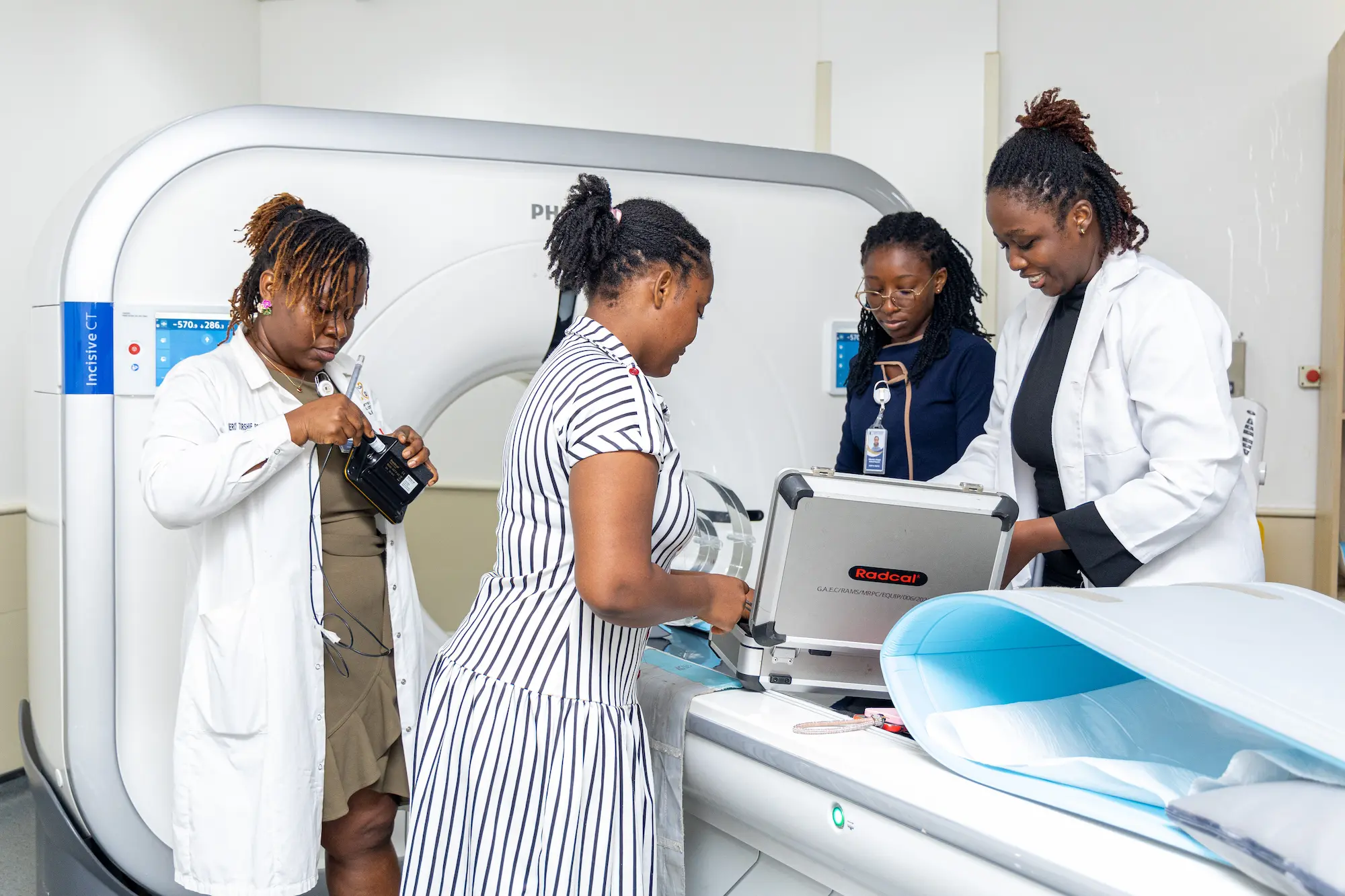
Medical Physics
Medical Imaging
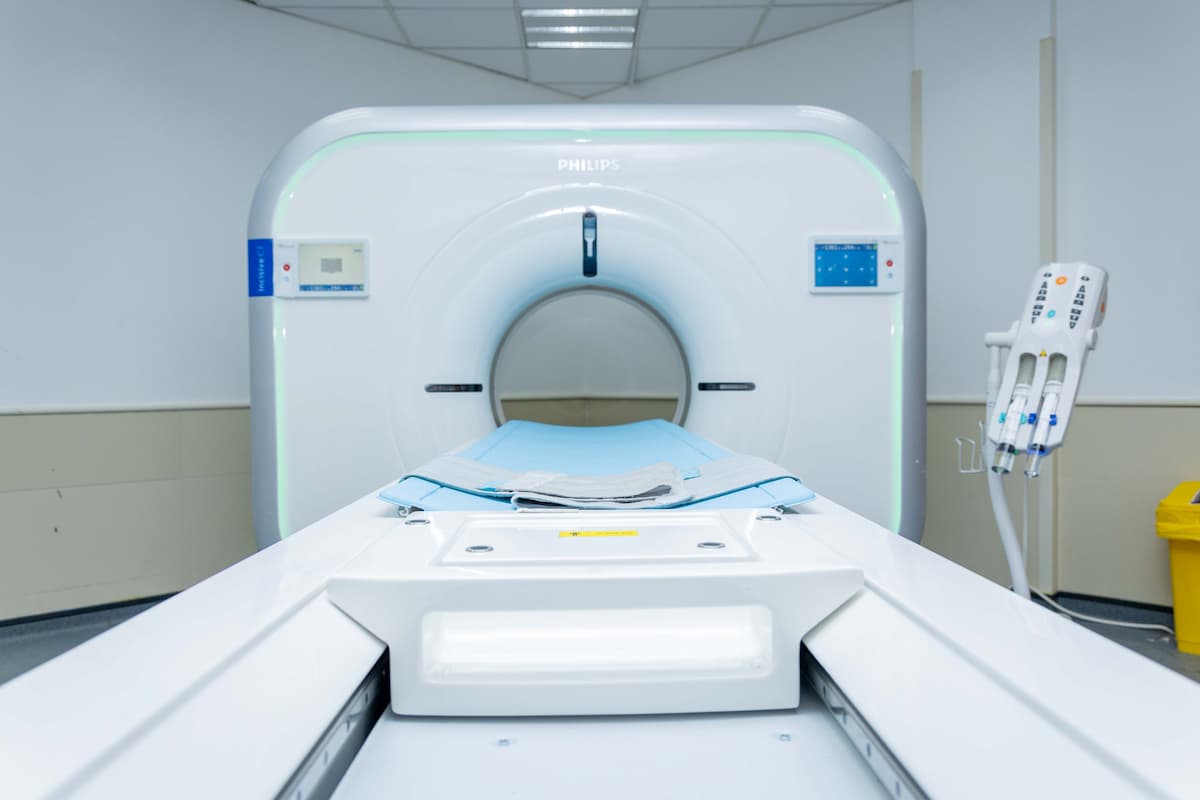
Computed Tomography (CT) Scan
Medical Imaging
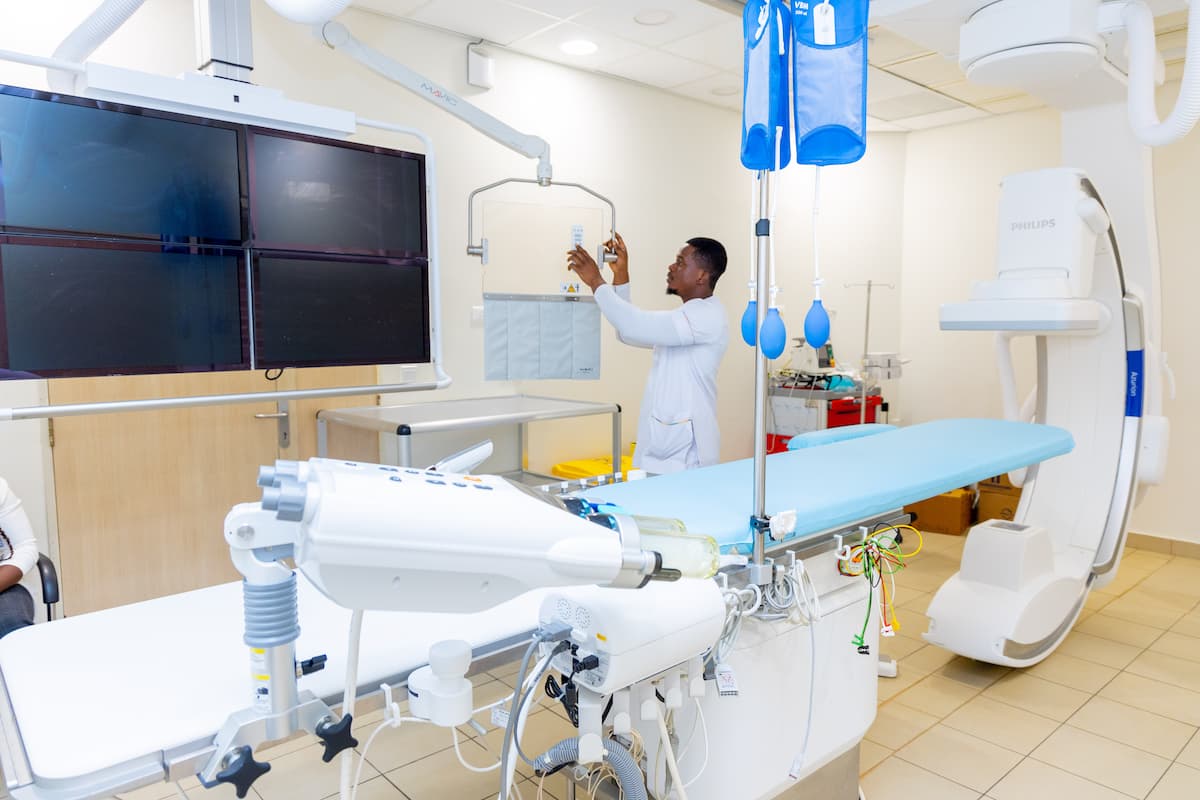
Angiography (Cathlab)
Medical Imaging
X-Ray
Medical Imaging
Nanox
Medical Imaging