X-Ray
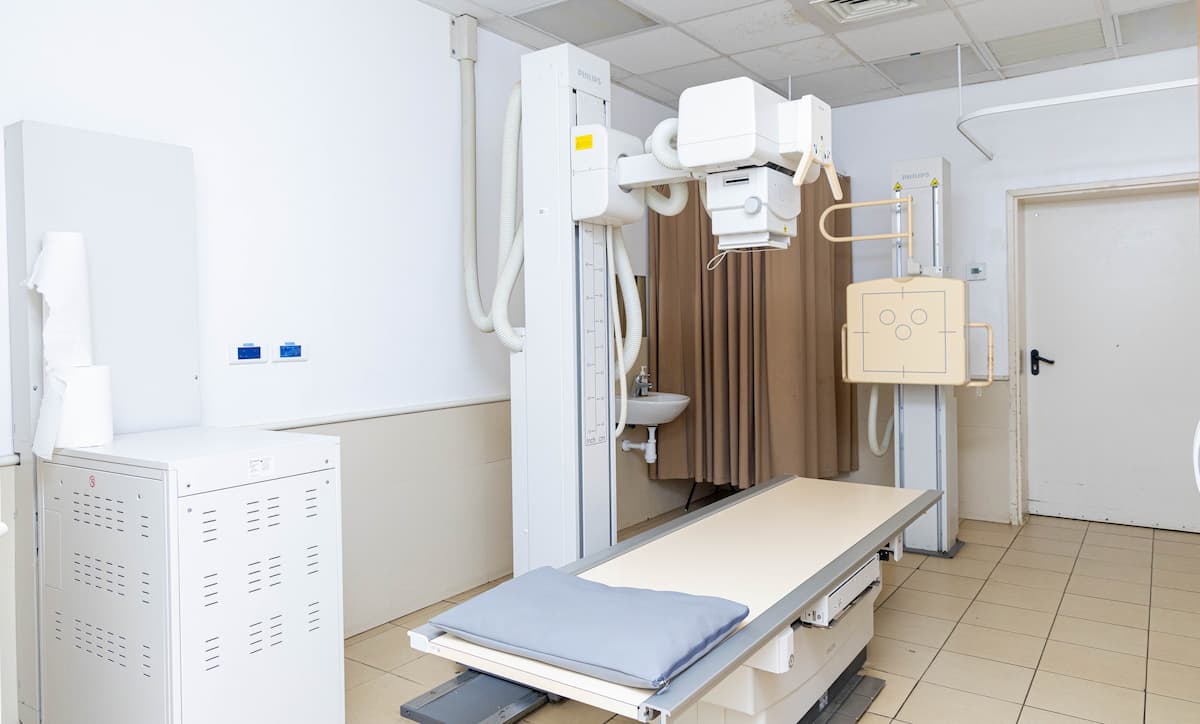
BackDigital X-ray imaging is one of the many diagnostic imaging services provided by the University of Ghana Medical Center's (UGMC) Radiology Department. A swift, reliable, and popular imaging method. Digital X-rays assist medical professionals in the diagnosis, monitoring, and treatment of a wide range of illnesses. Adults and children can access the program upon request from a competent healthcare provider, and it offers both inpatient and outpatient care. At UGMC, professional radiologists interpret digital X-ray exams conducted by qualified and experienced radiographers, guaranteeing accurate clinical reporting and high-quality imaging in accordance with global best practices.
Brief Description of the Modality
A more sophisticated version of conventional X-ray imaging, digital X-ray takes pictures of the body using electronic sensors rather than standard photographic film. Images that clearly depict anatomical structures like bones, joints, lungs, and some soft tissues are produced when X-ray rays travel through the body because different tissues absorb the radiation at different intensities. Rapid assessment, picture augmentation (such magnification or contrast adjustment), secure archiving, and simple exchange with referring professionals are all made possible by the digital processing and instantaneous display of the images on computer screens. Compared to traditional film-based systems, digital X-rays emit less radiation while still producing high-quality images.
A more sophisticated version of conventional X-ray imaging, digital X-ray takes pictures of the body using electronic sensors rather than standard photographic film. Images that clearly depict anatomical structures like bones, joints, lungs, and some soft tissues are produced when X-ray rays travel through the body because different tissues absorb the radiation at different intensities. Rapid assessment, picture augmentation (such magnification or contrast adjustment), secure archiving, and simple exchange with referring professionals are all made possible by the digital processing and instantaneous display of the images on computer screens. Compared to traditional film-based systems, digital X-rays emit less radiation while still producing high-quality images.
Types of Examinations Provided
- Digital X-ray services at UGMC include, but are not limited to:
- Chest X-rays
- X-rays of the spine (cervical, thoracic, lumbar)
- X-rays of the limbs (arms, legs, hands, feet)
- Pelvic and hip X-rays
- Abdominal X-rays
- Skull and facial bone X-rays
These examinations are commonly used to assess fractures, joint conditions, infections, lung diseases, spinal disorders, and other medical conditions.
Patient Preparation
Digital X-ray examinations generally require minimal preparation. Patients are advised to:
Digital X-ray examinations generally require minimal preparation. Patients are advised to:
- Wear comfortable clothing and avoid garments with metal components such as zippers, buttons, or buckles in the area being examined.
- Remove metallic objects including jewelry, watches, belts, or hair accessories before the procedure.
- Inform the radiographer if there is any possibility of pregnancy, as special precautions may be necessary.
- Radiographer will provide a gown and changing instructions when necessary.
No fasting or medication adjustment is required for most routine X-ray examinations unless specifically advised by the referring clinician.
Specific Time Slots
Digital X-ray services are available 24/7 at the Radiology Department. Emergency and inpatient X-ray examinations may be performed outside routine hours based on clinical need. Patients are encouraged to walk-in due to unavailability of appointment times.
Digital X-ray services are available 24/7 at the Radiology Department. Emergency and inpatient X-ray examinations may be performed outside routine hours based on clinical need. Patients are encouraged to walk-in due to unavailability of appointment times.
Duration of the Examination
The X-ray procedure itself typically takes 5–15 minutes, depending on the type of examination. Image processing is immediate, and reports are prepared by radiologists and made available to the referring clinician within the established reporting timelines.
The X-ray procedure itself typically takes 5–15 minutes, depending on the type of examination. Image processing is immediate, and reports are prepared by radiologists and made available to the referring clinician within the established reporting timelines.
For more information or assistance, patients are advised to contact the Radiology Department at UGMC or speak with their healthcare provider.
1. Head & Face
- Skull X-ray
- Sinuses X-ray
- Mandible X-ray (Oblique & PA views)
- Osteo/Nasal Spine X-ray
2. Spine
- Cervical Spine X-ray with Obliques
- Full Spine / Spine X-ray
- Scoliosis Series X-ray
3. Chest
- Chest X-ray
- Chest X-ray (Medical Examination)
- Trauma Series X-ray (if including chest)
4. Extremities
- Extremities X-ray (arms, legs, hands, feet)
5. Abdomen & Pelvis
- Pelvic X-ray
- Abdomen X-ray (Erect & Supine)
Other Services
Medical Physics
Medical Imaging
Computed Tomography (CT) Scan
Medical Imaging

Angiography (Cathlab)
Medical Imaging
Nanox
Medical Imaging
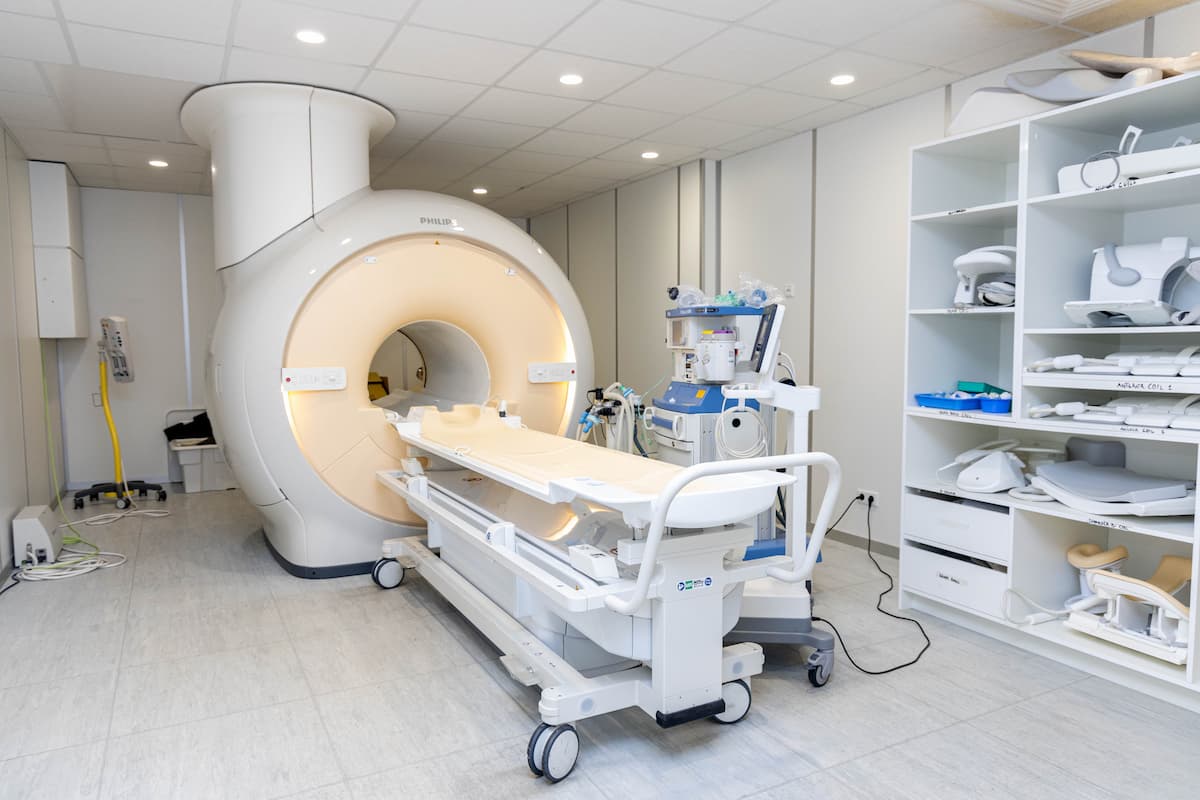
Magnetic Resonance Imaging (MRI)
Medical Imaging