Breast Cancer Management: Multidisciplinary Team Management Recommended - Dr. Nachelleh, UGMC
A lump in the breast can trigger a thousand questions. Is it serious? Could it be cancer? What happens next? For many women, discovering a breast lump comes with fear, uncertainty, and the possibility of a life-changing diagnosis. However, a breast lump is not a diagnosis but the beginning of a journey that requires timely investigation, accurate diagnosis and coordinated care.
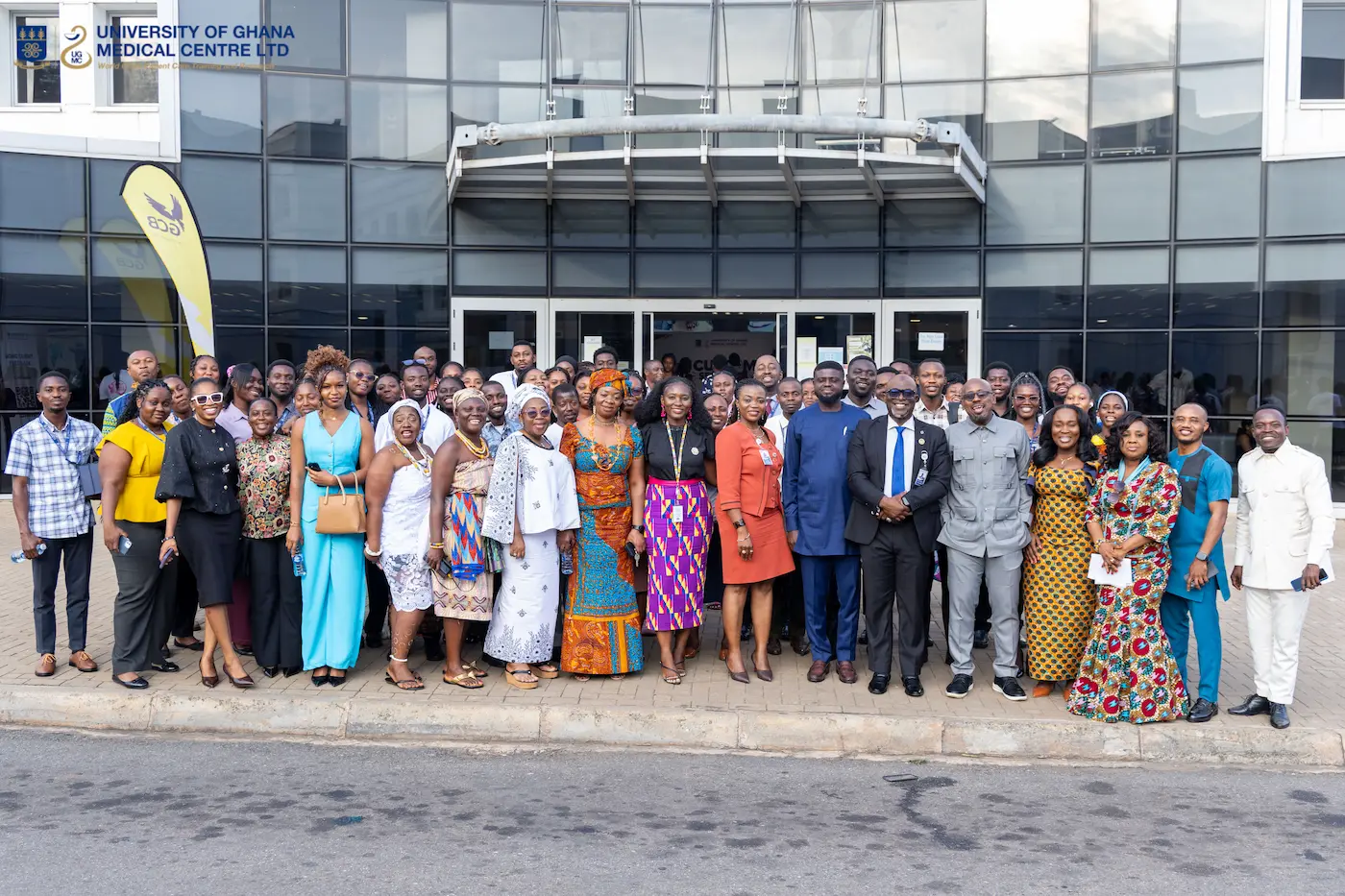
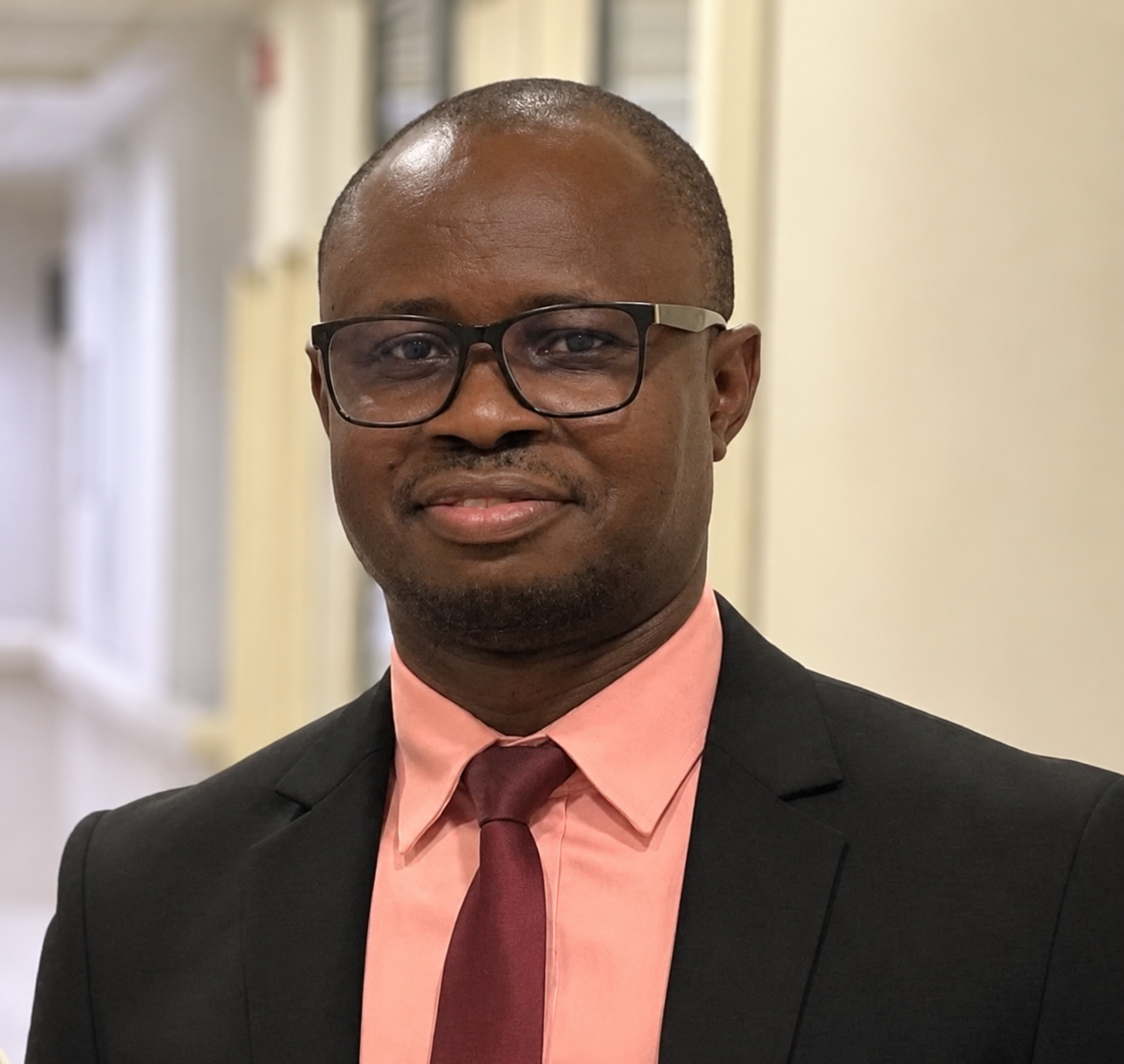
Dr. Emmanuel A. Nachelleh, Consultant General Surgeon (UGMC), stated at the October Ground Rounds held at the University of Ghana Medical Centre Ltd. on the 29th of October 2026 that the journey from the discovery of a breast lump to treatment must be deliberate, organised and patient-centred. “Breast cancer continues to pose a significant public health challenge,” he said.
According to the statistics presented, Ghana recorded an estimated 5,487 new breast cancer cases and 2,695 deaths in 2024, making it the leading cancer among women in the country. With an age-standardised incidence rate of 40.5 per 100,000 and a mortality rate of 20.5 per 100,000, the figures reinforce the urgency of improving awareness, early presentation and access to timely treatment. The challenge is not limited to Ghana. Across Africa, breast cancer accounted for approximately 225,643 new cases and 100,070 deaths. In Western Africa, the mortality rate is particularly concerning, standing at 25.3 per 100,000 compared with the global rate of 12.9. This difference highlights a troubling reality. Too many women are still dying from a disease for which earlier detection and appropriate treatment can make a significant difference.
What should happen when a woman discovers a lump? Dr. Nachelleh explained that the first step is not to assume the worst, nor is it to dismiss the lump. More than 85 per cent of breast lumps are benign, but every new or suspicious lump deserves proper clinical assessment. Warning signs include changes in breast shape or skin, nipple inversion, unusual nipple discharge, an underarm lump, and persistent breast symptoms. Importantly, the absence of pain does not rule out cancer. A careful medical history and physical examination help clinicians understand the patient’s symptoms, identify possible risk factors and determine the appropriate investigations. These may include age, family history of breast cancer, previous breast conditions, genetic factors and previous exposure to chest radiation. From there, the process moves into what is known as triple assessment that is clinical examination, breast imaging and tissue diagnosis. These three components must work together to establish an accurate picture of what is happening.
Dr. Nachelleh added that Imaging, through diagnostic mammography or targeted ultrasound, helps clinicians identify suspicious areas. However, imaging alone cannot always provide a definitive answer. “A core needle biopsy is generally preferred because it provides tissue that allows pathologists to examine the tumour’s structure, determine its type and grade and establish important biomarkers such as oestrogen receptor (ER), progesterone receptor (PR) and HER2 status. These findings help guide treatment decisions” he stated. But confirming the diagnosis is only part of the journey. What happens after cancer is identified can be just as important.
Dr. Nachelleh mentioned in his presentation that the importance of multidisciplinary team (MDT) management. “Breast cancer is not a condition that should be managed in isolation by one specialist” he said. It requires different professionals bringing their expertise together to develop one coordinated treatment plan. The breast surgeon considers the possibility and extent of surgery. The radiologist interprets imaging findings and supports accurate biopsy. The pathologist provides the tissue diagnosis and tumour characteristics. The medical oncologist guides systemic treatment, while the radiation oncologist determines the need for radiotherapy. Breast care nurses help patients understand their diagnosis, navigate appointments and manage the challenges of treatment. The team extends beyond these core specialists. Reconstructive surgeons, psychologists, physiotherapists, dietitians, palliative care professionals and social workers all have important roles to play. Their contributions address issues that may not be immediately visible in a medical report but can significantly affect a patient’s recovery and quality of life.
Dr. Daniel Amankrah, Head of Imaging (UGMC) started that the Multidisciplinary Team (MDT) approach also recognises that two patients with the same cancer diagnosis may not necessarily receive the same treatment sequence. Decisions are influenced by the stage and extent of the disease, tumour biology, the patient’s age and general health, treatment goals and personal preferences. For some patients, surgery may be the first step, followed by other treatments. For others, chemotherapy or another form of systemic treatment may be recommended before surgery to reduce the tumour or improve treatment outcomes. The important thing is that these decisions are informed by evidence and discussed with the patient, ensuring that the patients understand their options and participates in decisions about their care.
Despite these advances, significant barriers continue to affect breast cancer management in Ghana and across the region. “Late presentation, delays in imaging and biopsy, limited specialist workforce, the cost of treatment, gaps in MDT coordination and difficulties completing treatment all contribute to the challenges” he stated. There are also emotional and social barriers. Fear, stigma, misinformation and concerns about body image following mastectomy can discourage women from seeking care or continuing treatment. For some patients, transport costs, financial difficulties and limited family support make an already difficult journey even harder.
Dr. Nachelleh encouraged women to seek medical attention when they notice changes in their breasts is an important starting point, but the healthcare system must be ready to respond with timely diagnosis, appropriate treatment and continuous support. A breast lump may be where the journey begins, but it should never be where the patient’s questions, fears or care are left unanswered. This is because when breast cancer is detected early, investigated promptly and managed by a coordinated team, the possibility of a better outcome becomes much greater.
Dr. Baffour Gyan, Director of Medical Affairs (UGMC) stated that addressing these challenges requires more than increasing awareness. It calls for stronger referral systems, regular multidisciplinary meetings, timely pathology and biomarker testing, improved access to treatment and better supportive services. Patients also need counselling, follow-up support and practical assistance to help them complete their treatment.