Research is often associated with laboratories, scientific publications, and complex data. Yet at its core, research begins with curiosity, the drive to ask questions, solve problems, and improve lives.
Its true value, however, extends beyond discovery. Research becomes most meaningful when knowledge is translated into better healthcare, informed clinical decisions, and improved outcomes for patients.
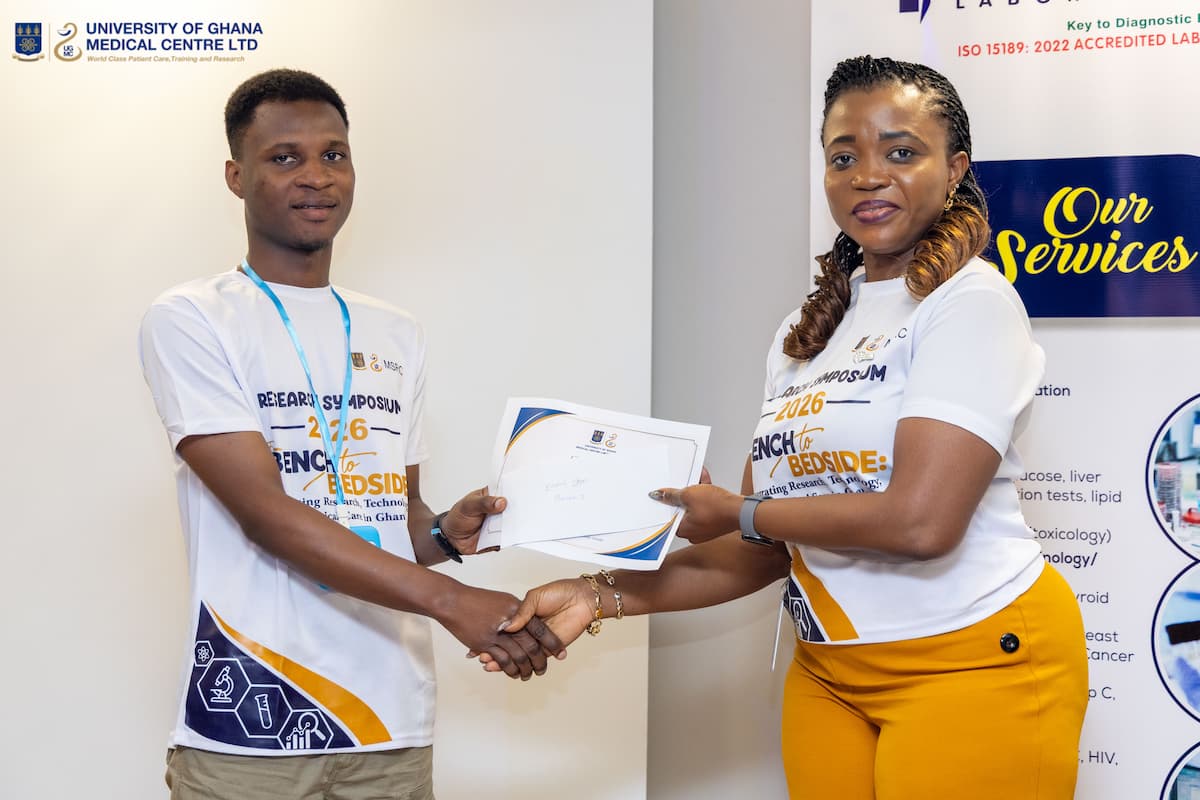
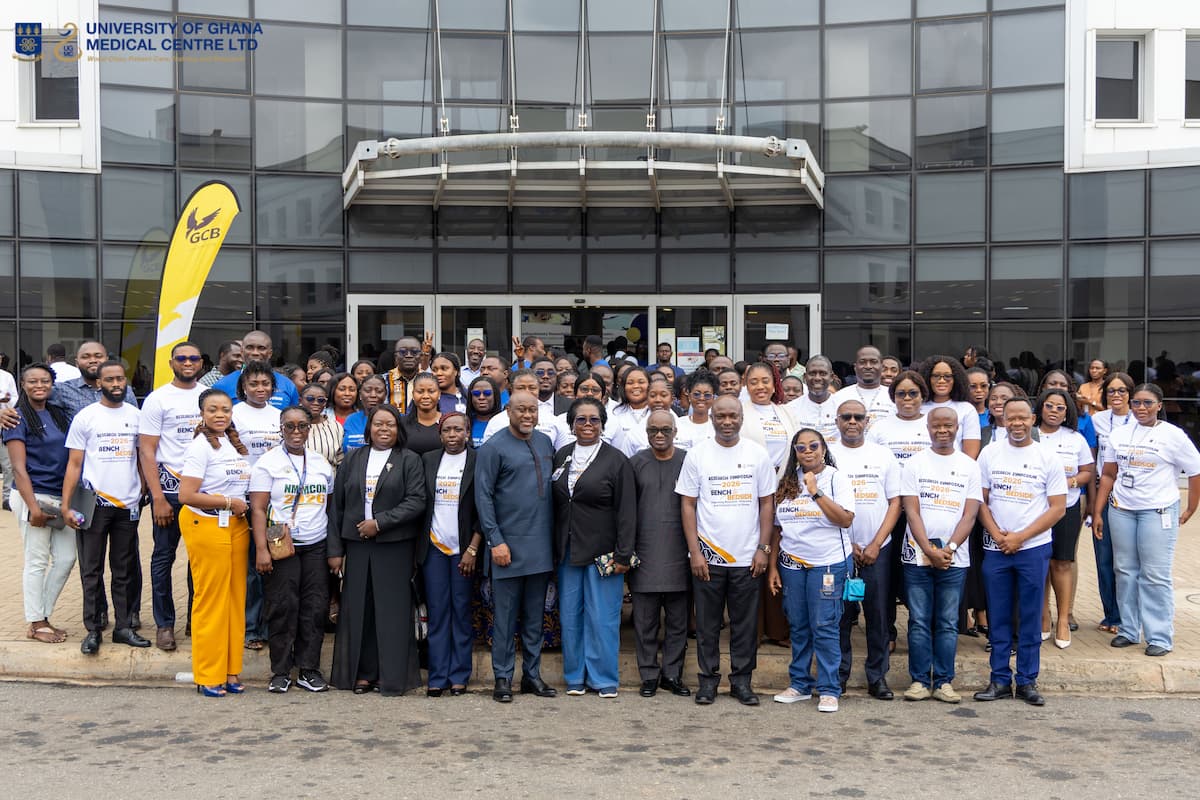
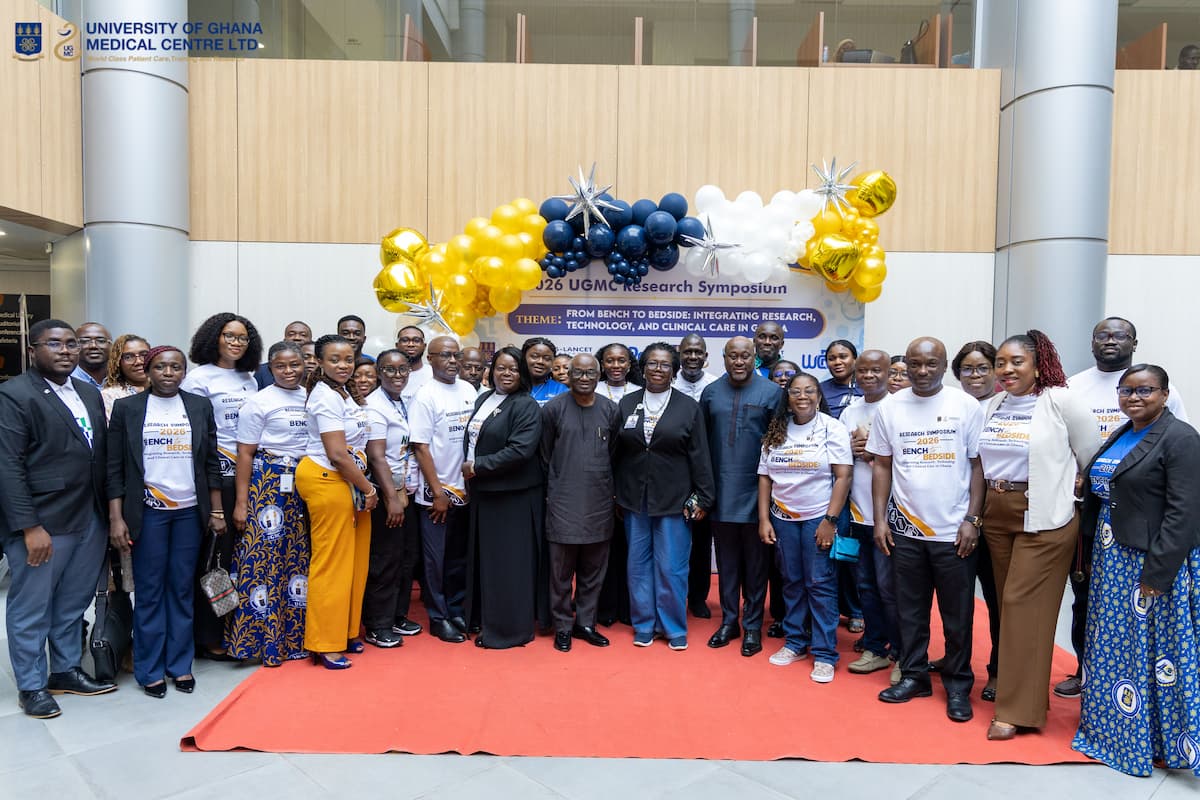
The UGMC-MSRC Research Symposium 2026, held under the theme "From Bench to Bedside: Integrating Research, Technology and Clinical Care in Ghana." The symposium brought together researchers, clinicians and healthcare workers to explore how scientific discoveries can be transformed into practical solutions that address Ghana's healthcare needs. The event served as a platform for critical conversations about the future of healthcare innovation in Ghana. Participants reflected on the importance of ensuring that research does not remain confined to laboratories, academic journals or conference presentations, but instead drives meaningful improvements in patient care and healthcare delivery.
Delivering the keynote address, Prof. Gordon Akanzuwine Awandare, Pro-Vice-Chancellor for Academic and Student Affairs at the University of Ghana, highlighted the need for stronger research ecosystems across Africa. He emphasized that investing in research goes beyond funding individual projects that is it requires sustained support for infrastructure, institutions and, most importantly, people. He noted that “African scientists must be equipped with the resources and opportunities needed to lead research that responds directly to local priorities and health challenges.” According to him, building strong institutions and creating pathways for scientific growth are essential to retaining talent and ensuring that researchers can make lasting contributions on the continent.
The symposium also highlighted the unique role of academic medical centres in bridging the gap between science and healthcare. Within such settings, challenges encountered in patient care can inspire new research questions, while research findings can be translated more effectively into clinical practice.
Speaking on this, Prof. Charles Hayfron-Benjamin, Director of Research, underscored the importance of establishing a clear pathway between discoveries made in the laboratory and their application in patient care. He noted that “scientific breakthroughs require careful validation, rigorous testing and, where necessary, clinical trials before they can become part of routine healthcare practice.” His remarks reinforced an important message which talks about producing high-quality research is only one part of the process. Equally important is strengthening the systems, policies, partnerships, funding mechanisms and clinical trial capacity that allow scientific discoveries to progress from promising findings to real-world healthcare solutions.
Prof. Evelyn Yayra Bonney, Associate Professor at the Noguchi Memorial Institute for Medical Research, described the unique opportunities created when research is embedded within a medical centre, where close collaboration between researchers and clinicians allows questions arising from patient care to be investigated in the laboratory and successful discoveries to be translated back to the bedside. She also stressed the importance of investing in researchers and creating environments where they can build rewarding careers in Ghana. “Curiosity”, she noted, “remains one of the most important drivers of scientific progress. Often, the next significant research question lies within an unanswered question, an unexpected observation or a limitation identified in previous work.” That spirit of curiosity and innovation was evident throughout the symposium as researchers shared findings aimed at addressing some of Ghana's most pressing healthcare challenges.
One of the major scientific discussions focused on HIV cure research. While antiretroviral therapy has transformed HIV management and significantly improved the quality of life for millions of people worldwide, researchers explored ongoing efforts to achieve sustained remission and, ultimately, a cure. Discussions highlighted not only the scientific challenges involved but also the importance of ensuring that African scientists help shape the future of HIV research.
The symposium also featured studies aimed at improving the diagnosis and management of kidney disease. Research conducted by Mildred Martey and Catherine L. Omosule established Ghana-specific reference intervals for serum cystatin C, an important biomarker used in assessing kidney function. The findings provide valuable information that could support more accurate diagnosis and monitoring of kidney disease among Ghanaian patients.
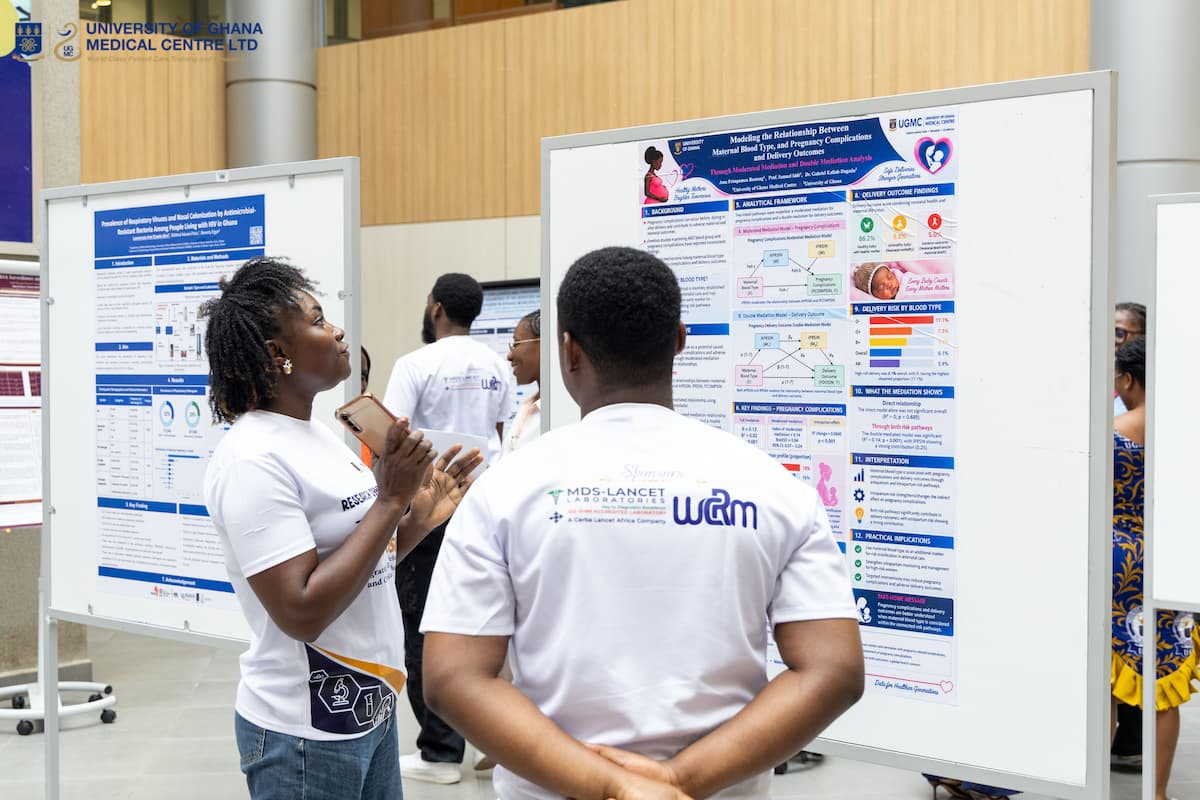
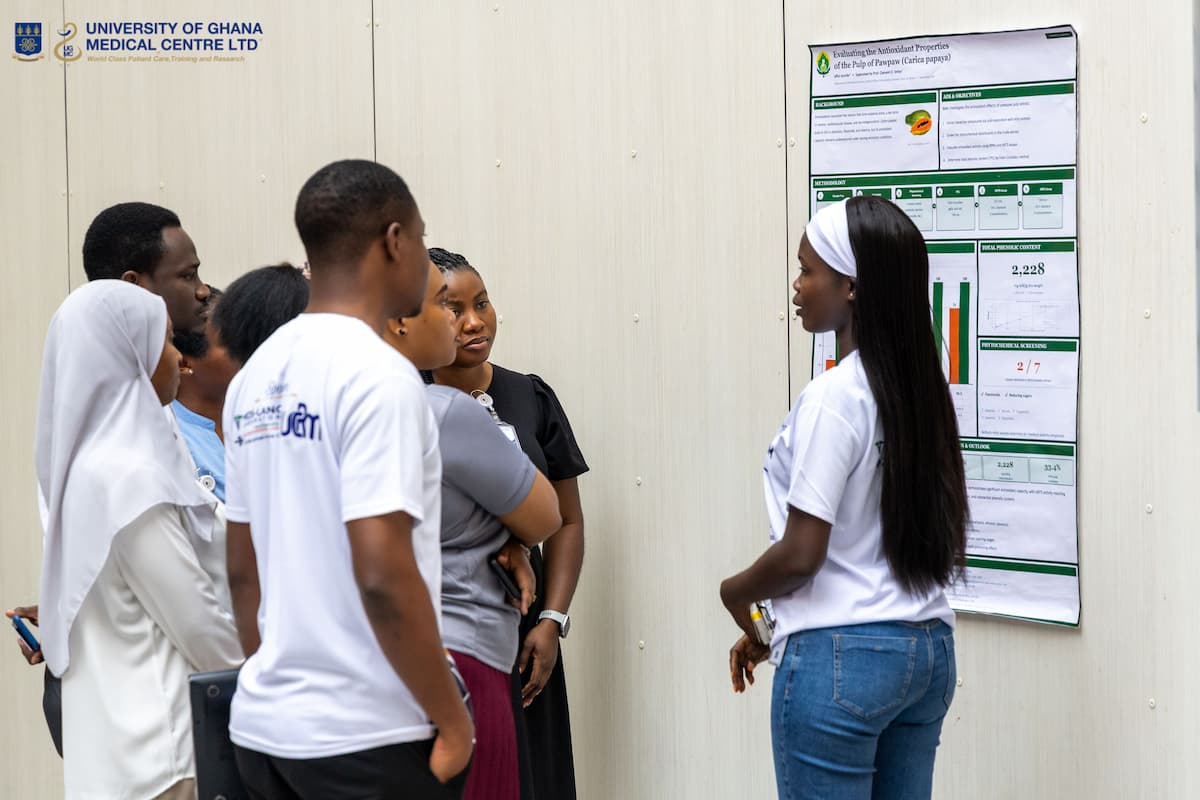
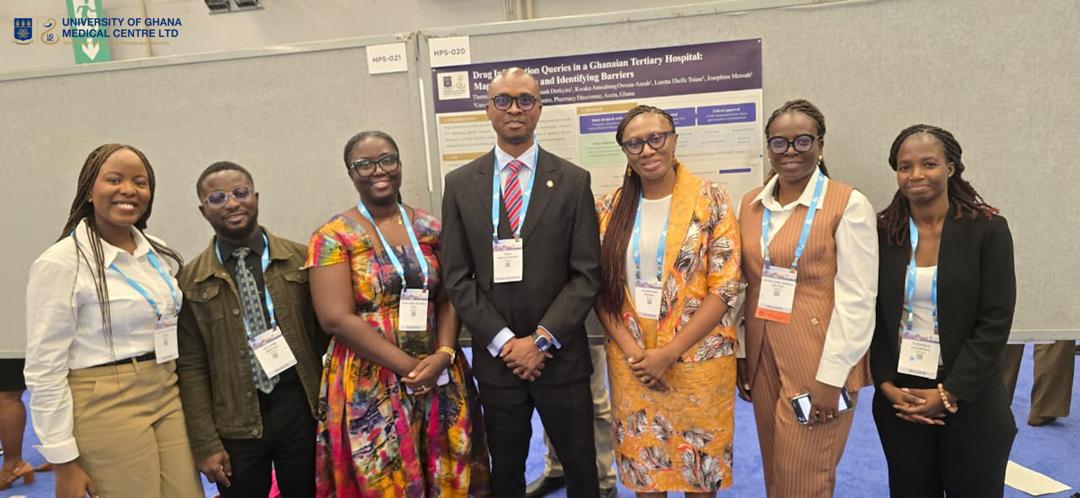
While the oral presentations provided valuable scientific insights, the poster session offered another dimension to the symposium experience. Some of the topics include;
- Advancing Renal Biomarker Interpretation in Ghana: Verified Reference Intervals for Serum Cystatin C
Researchers: Mildred Martey and Catherine L. Omosule - Prevalence of Prediabetes Among Ghanaian Adults: An Epidemic in Waiting
Researchers: Richeal Owusu, Bright A. Adjei, Edwin A. E. Sam, Monica B. Jones, Patrick D. Seidu, George B. Kyei, Isaiah Mensah, Mildred Martey and Catherine L. Omosule - Viral Load Profiling and Systemic Biomarker Derangements in Chronic Hepatitis B at UGMC
Researchers: Kingsley P. Aborah, Dennis A. K. Plange, James O. Aboagye and Sabastine E. Arthur - Discordant Estimates, Divergent Risk: Reclassification of Kidney Function in High-Risk Ghanaian Adults
Researchers: Edwin A. E. Sam, Mildred Martey, Richeal Owusu, Loretta N. O. Holdbrooke and Catherine L. Omosule - Molecular MRSA Surveillance and Clinical Integration at the University of Ghana Medical Centre, 2023–2025
Researchers: Dennis A. K. Plange, Kingsley P. Aborah, Richeal Owusu and James O. Aboagye
During the session, researchers stood alongside their posters, engaging directly with participants, answering questions and explaining the stories behind their studies. For attendees, the poster session created an opportunity for meaningful interaction beyond the formal presentations. Participants were able to discuss research findings with investigators, gain deeper insights into methodologies and learn about the real-world implications of ongoing studies. The discussions around the posters reinforced an important aspect of scientific research and discoveries become more valuable when they are shared, questioned and built upon by others. They also highlighted the collaborative nature of research and the importance of creating platforms where ideas can be exchanged freely.
Although the studies presented at the symposium covered diverse areas of healthcare, they shared a common objective that is improving health outcomes through evidence-based solutions. From HIV cure research and kidney disease management to medication safety, infection control and community engagement, the symposium demonstrated how locally relevant research can strengthen healthcare systems and improve patient care.