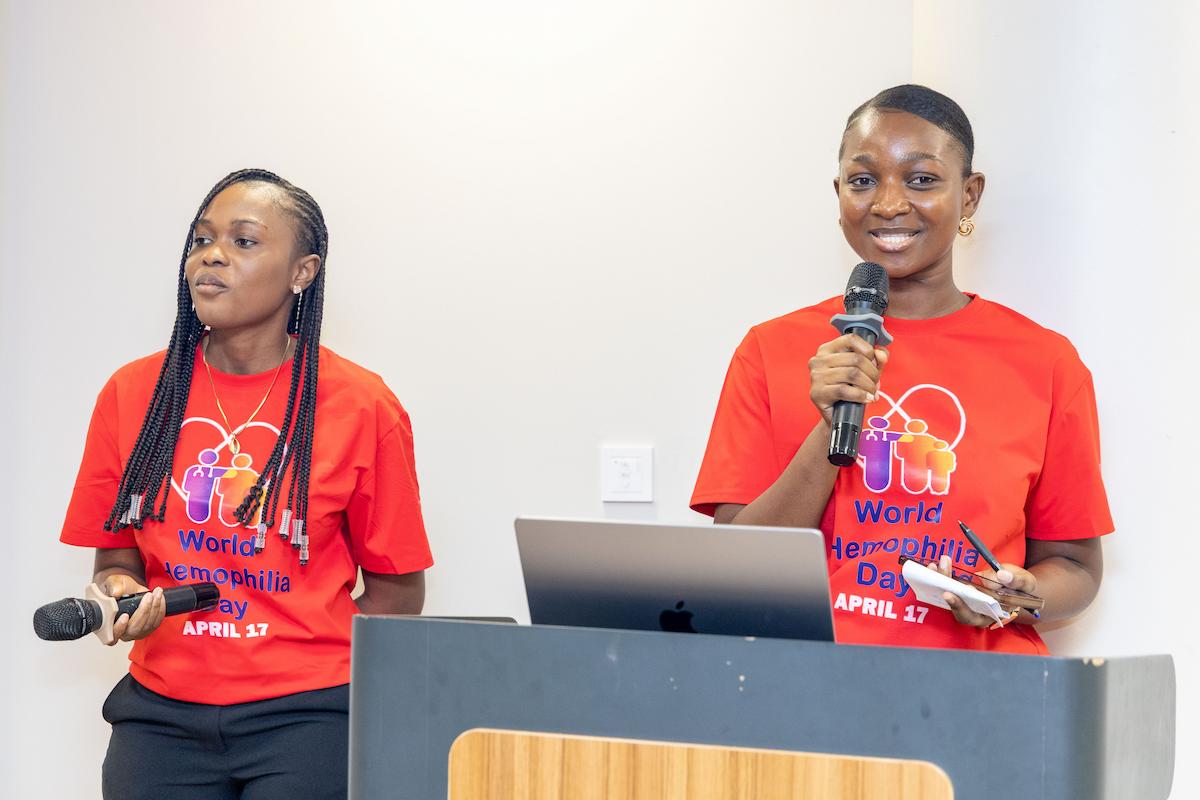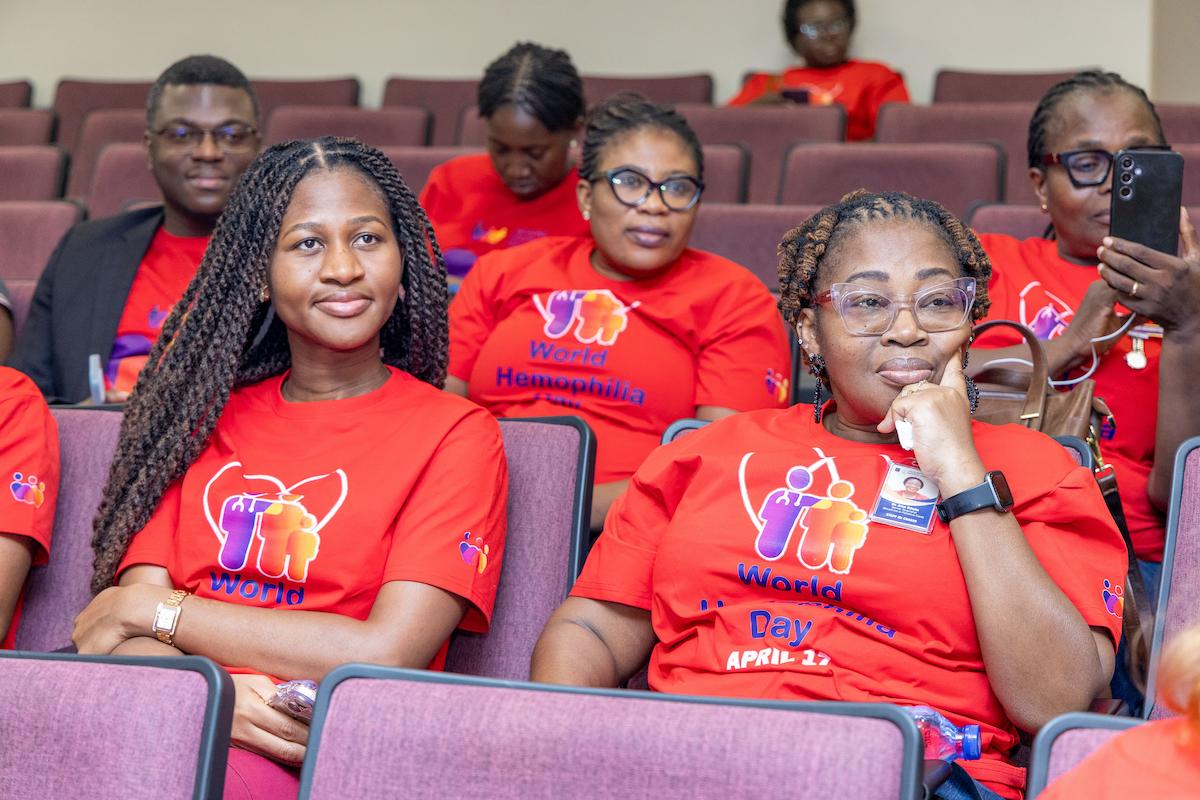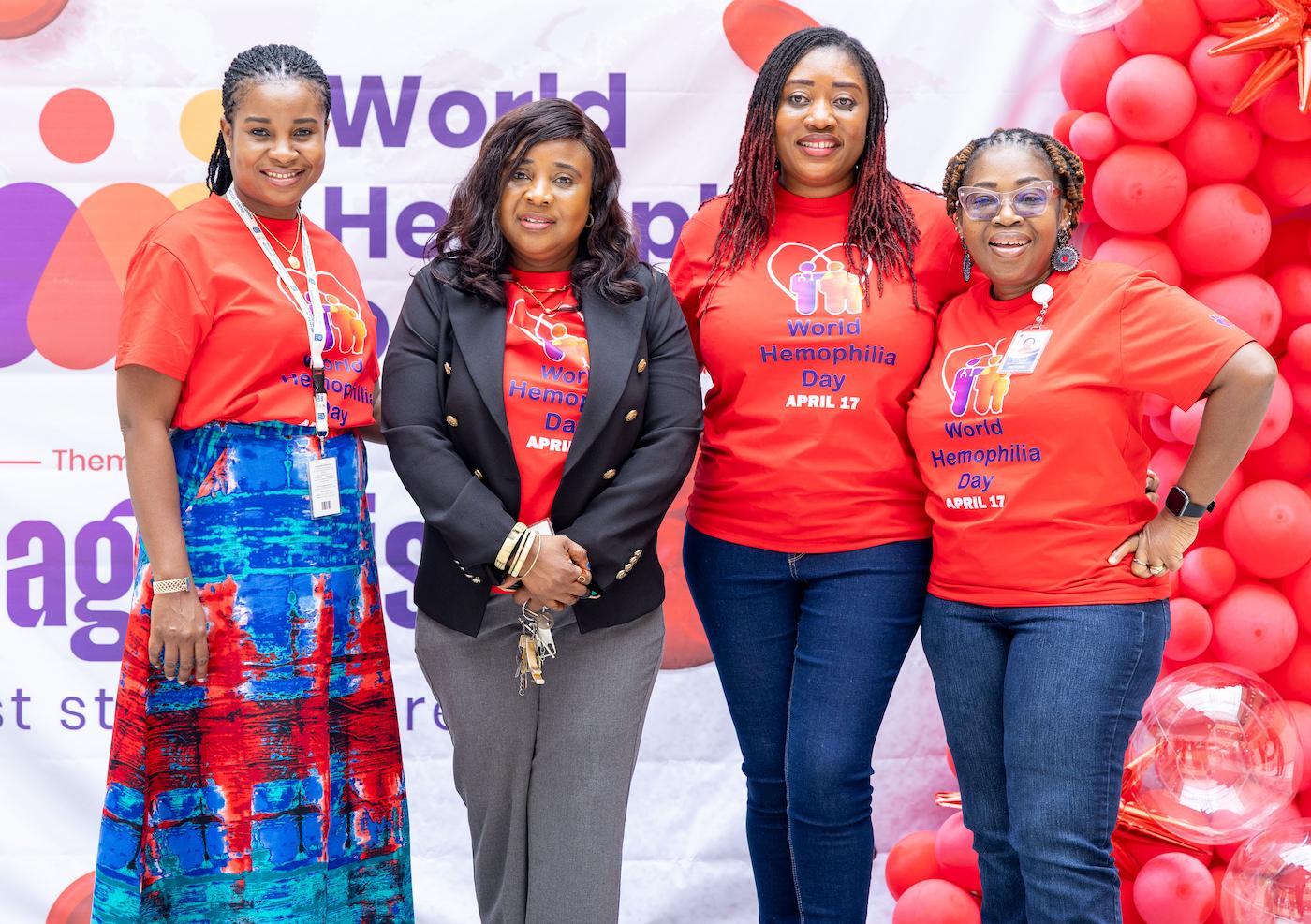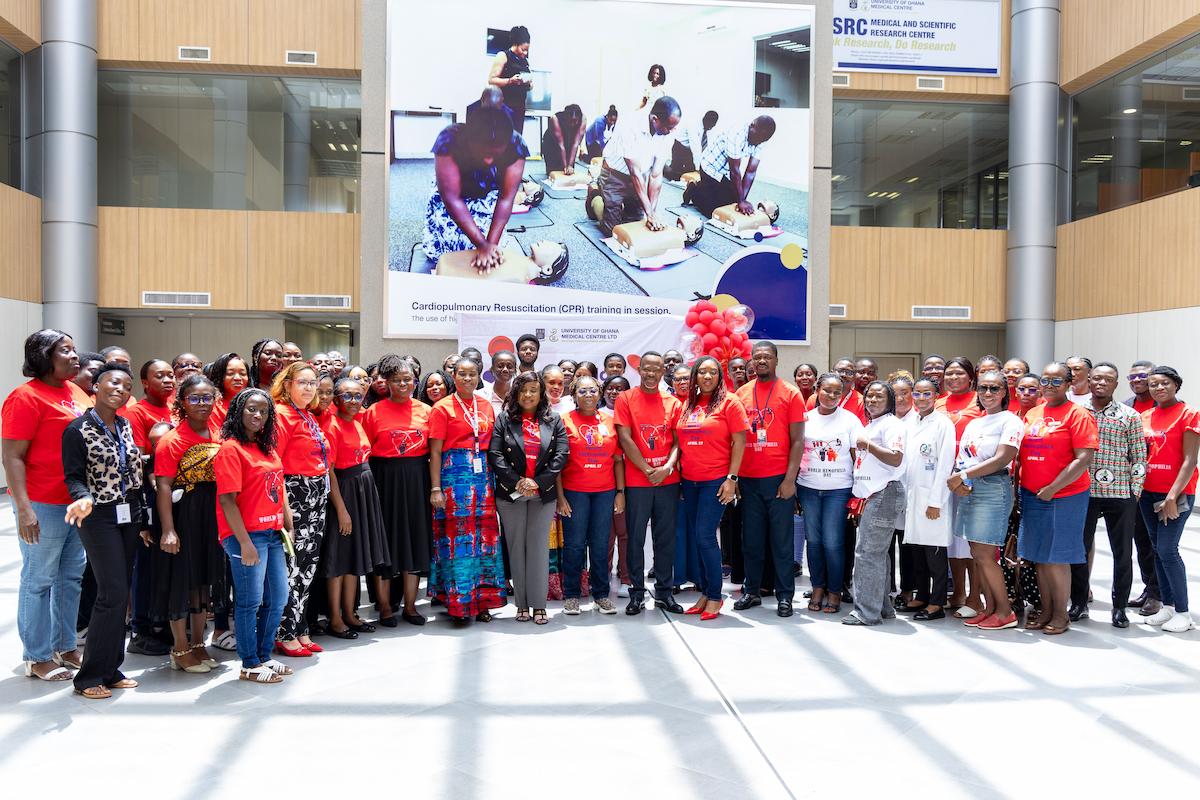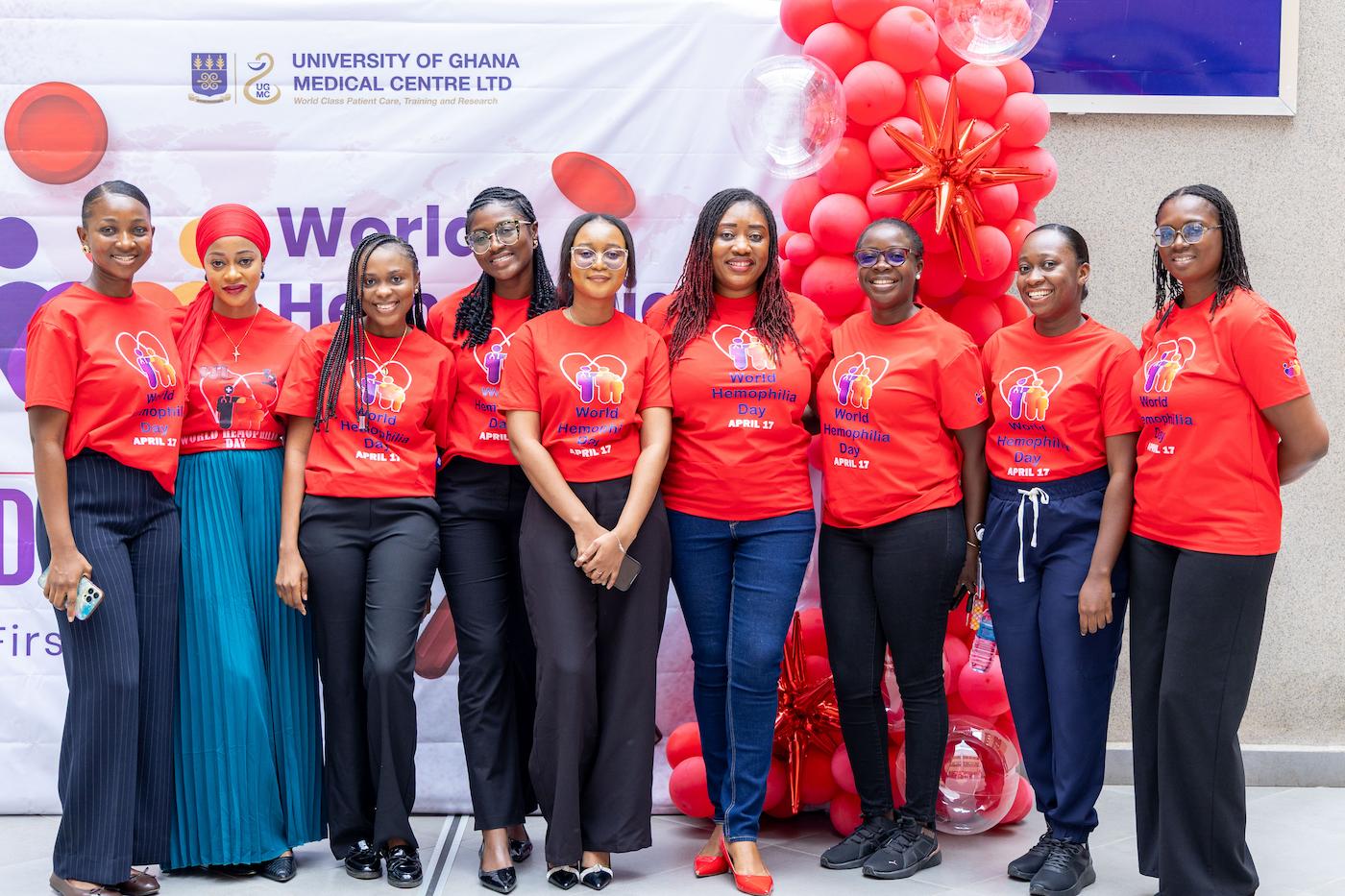
Dr. Abdul-Samed Tanko, Chief Executive Officer of the University of Ghana Medical Centre stated that “Early diagnosis is not just a medical step; it is a lifeline. At UGMC, we are committed to strengthening our systems to ensure that no patient is left undiagnosed or untreated due to gaps in awareness or access.”
Dr. Thelma Yawa Okudzeto
(Medical Officer Haematology Dep. UGMC), led the main presentation, by providing
a comprehensive overview of haemophilia, describing it as a genetic bleeding
disorder caused by a deficiency in clotting factors. She explained,
“It’s
not that people with haemophilia bleed faster; they bleed longer. And if you
don’t recognize that early, it can become very dangerous.”
She emphasized
that early diagnosis remains the foundation of effective care, noting that undiagnosed
cases continue to delay treatment and increase the risk of complications.
“Diagnosis
is the beginning of everything. Without it, people are living with a condition
they don’t even know they have, and that delays care,”
she added.
Drawing attention to the
local context, Dr Okudzeto highlighted that haemophilia remains underdiagnosed
and underreported in Ghana and across Africa, driven by limited awareness,
inadequate diagnostic infrastructure and restricted access to treatment
resources. As part of her presentation, she outlined practical and
evidence-informed steps to improve early diagnosis, using a four-pillar
approach focused on awareness, training, infrastructure, and systems support.
She explained,
“Awareness brings the patient to the hospital. Training helps
us suspect the condition. Infrastructure confirms diagnosis. Systems support
ensures the patient is not lost in care.”
The event reinforced the need for sustained efforts to promote early diagnosis, particularly among children who are most affected by delayed detection. Early identification can significantly improve treatment outcomes and quality of life. They reminded everyone that change starts with something as simple, and as powerful, as knowing. As was said during the session, “Early diagnosis changes everything.”